so, say you were in greenland and were supposed to meet up with a group of danish archeologists that you had met once on their day off in qaqortoq via the evolutionary biologist that you had met through a planetary biologist that happened to be on the team that discovered the siberian actinobacteria whom you were introduced to at your friend the painter's new years eve party in brooklyn a couple years back. and say those archeologists left a message for you at heidi's hostel via their satellite phone (and say heidi didn't give you the most accurate message nor get their number) , and said that they were probably not coming to pick you up after all because their boat was sort of broken, and perhaps you could find your way up the fjord to sodre igaliku on your own.
lost yet? here's how it went down...
no, wait a second. did i mention martin was leaving for singapore and wasn't coming with? as i walked him over to the helipad he assured me i had the right name for the place, gave me the directive to "look for the yellow house" and laughed when i asked if i should be worried that it might not be so easy to find them and should i bring some food. a local with a power boat had agreed to sail me over. so, it was down to the harbor and all aboard ("all" comprised of myself, the boat's owner and his small son.) about an hour up the fjord we hung a right, entered an inlet that looked much like any other we had passed, and the captain proclaimed us arrived.
there are names for everything in greenland; you turn a corner and you're somewhere else. if there's any sort of structure or identifiable landmark, the place has a name. it reminded me of namibia in that way; if there was an uninhabited shack, it was a town, properly named and marked on the national map. that's how things are done in lands of few and far betweens. a lot of somethings are formed out of all that nothing. or rather, once you know how to look, you start to see what's been there all along.
and this was sodre igaliku. (actually, the first half of that is danish and the second half the greenlandic. i guess that makes it the equivalent of spanglish. danelandic? anyway.) there was absolutely no one to be found. after climbing across the rocks and through unbelievably sticky glacial mud, i spotted one of the safety orange arctic water safety suits [sic], tell-tale in that they are used only by non-natives. (DIGRESSION: there needs to be a new literary device that functions like "sic" only indicating that yes, i know that i misused/overused whatever it was, that i am not quoting someone else's mistake, but rather am aware of and intentionally employing the misuse. wait, got it! "yik" for "yes, i know." wow, problem solved. [yik].) ahem. so, sure enough, up the dirt road (the only option aside from back into the mud) was the yellow house. i was given a few parting words of advice in halting english -- there might be a sheep farm or two if i needed help...should i find myself alone in the middle of nowhere.
my water taxi now long gone, i strapped my camping backpack onto my back, my camera bag onto my front, and slowly made my way up the hill to the house. the door stuck, but was unlocked. people had been here, but i could see that they weren't staying there now. it was probably 5 or 6 pm. a tatered and very scary doll stared at me from the corner. i was in fact alone in the middle of nowhere. no way to call anyone. not sure of where to look for anyone. unsure if they knew i was coming or arrived.
i decided that i would do a little investigating. i ditched all but the cameras and started walking up the road. i had never been so alone with my thoughts. there were a few other structures around the yellow house, but all seemed to be in the throes of varying degrees of abandonment. but there was a sheep farm. a dog barked as i ascended a steep set of stairs. i knocked on the door and waited. i knocked again. a rather expressionless man opened the door, not in the least bit phased at a lone woman on his doorstep in middle of nowhere. he spoke no english, and i no greenlandic. i mimed looking. i mimed digging (you know, archeologists. digging.) i suddenly remembered that i had snapped a couple of photos of them from when we were back in qoqartoq, pulled out my digital camera, and showed him the people i was looking for. his expression did not change, but he gave an undecipherable nod, pointed down the road and said something about kilometers. and that was that.
the long twilight of the arctic in august had begun, and while i wasn't in any imminent danger of it getting dark, i wasn't exactly prepared to treck out further into the unknown without a tent. i decided to walk over the next ridge to get the lay of the land, counseling myself to sleep in the yellow house that night and start looking for my people the next day. as i started walking up the ridge i heard the sound of a small motor. (you can hear *everything* out there.) i smiled when a child on an all-terrain vehicle came into view. he jumped off and ran down to the river where a couple other children were fishing. children are fishing here. i am not going to die wandering the arctic steppes. i said hello, and they said hello back and smiled. i made the same digging motions and pulled out the digital camera again. they laughed and looked puzzled and tried out the few other english words they knew. i was getting no where, but at least i knew i must not be that far from somewhere. i pointed back towards the yellow house. maybe they would tell someone where to find me.
i walked back and made some food on the gas stove. there was no running water, but there was a jug in the kitchen, probably from the river. i lit candles and put them in the windows. i felt restless and aprehensive, but was trying to coax/coach myself into settling in for the night, and starting a proper search in the morning. a few hours later i heard a truck. a palpable weight lifted as a woman and her husband walked up to the door. the kids were theirs, this was their cabin, and they knew the archeologists. apparently they had split up into two groups since they hadn't found what they were looking for at the nearby dig site. one group was on the other side of the inlet, but the other was in fact down the road. i quickly stuffed my things back into my pack and off we went.
the group on this side was staying indoors in the area schoolhouse. it was dark when we drove up, but as we knocked and entered i realized a TV was on. this half of the team was made up of three CUNY students (yep: city university of new york.) they were watching pirates of the caribbean. they offered me a drink and said they were glad, if not surprised, that i found them.
it was probably the strangest day of my life.
04 February 2009
31 August 2008
THE 'TOQ OF THE TOWN
[NOTE: a vital part of the experience of being in greenland is a true disconnection from civilization...which is increasingly harder to come by anywhere on the planet. i did my best to embrace that distance while there, including writing the old fashioned way...and so i am transmitting out to the blogosphere now from the comfort and safety of my own digs in brooklyn.]
LOOKING FOR LICHENS NEAR QOQARTOQ
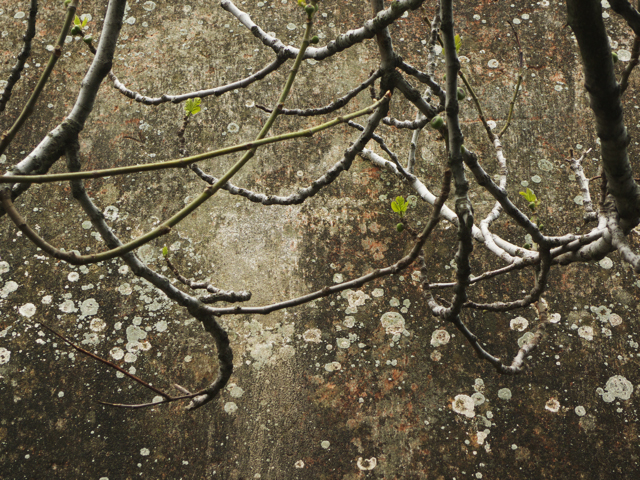
when i last sent word out from greenland, i was stationed at the only computer terminal in the qaqortoq public library, having just bade farewell to martin hebsgaard, the evolutionary biologist whom you might remember from my work with the siberian actinobacteria last summer. this was martin's second trip to greenland, and having learned quite a bit about ancient lichens out in the field last year, this time he was lending his expertise to group of archeologists studying norse ruins. the idea was to use data collected from the growth of slow-growing lichens to help date the archeological structures. lucky for me the dig sites weren't too far from where some of the oldest lichens live (rumored to be up to 5,000 years old), so martin suggested we meet up and go lichen hunting.
more on the lichens later, i promise.
when i arrived at siniffik/vandrehjem qaqortoq hostel (mercifully known as heidi's - greenlandic is practically impenetrable if you weren't born into it), martin was already there. a few of the archeologists had joined him from out at the dig site in order to come in for a hot shower and buy groceries for the week. they were roughing it out there, and if you ran out of food, well, you could always go fishing. qoqartoq, home to around 3,200 people, is the largest town in southern greenland and is a veritable booming metropolis compared even to it's nearest runner up.
though a little delirious from all that travel, i was happy to be there and take in the town. the brightly colored buildings hinted at the need to break up a monotone landscape most other months of the year. but it was august and wild daisies and poppies were in their last fits of bloom. short if steep hikes out of town yielded blankets of mosses and lichens, edible flowers and dwarf berry bearing shrubs, punctuated by the occasional succulent, orchid, and carnivorous plant. the surrounding waters looked as inviting as the caribbean, but the occasional iceberg making its way down the jagged fjords told a different story.
LOOKING FOR LICHENS NEAR QOQARTOQ
when i last sent word out from greenland, i was stationed at the only computer terminal in the qaqortoq public library, having just bade farewell to martin hebsgaard, the evolutionary biologist whom you might remember from my work with the siberian actinobacteria last summer. this was martin's second trip to greenland, and having learned quite a bit about ancient lichens out in the field last year, this time he was lending his expertise to group of archeologists studying norse ruins. the idea was to use data collected from the growth of slow-growing lichens to help date the archeological structures. lucky for me the dig sites weren't too far from where some of the oldest lichens live (rumored to be up to 5,000 years old), so martin suggested we meet up and go lichen hunting.
more on the lichens later, i promise.
when i arrived at siniffik/vandrehjem qaqortoq hostel (mercifully known as heidi's - greenlandic is practically impenetrable if you weren't born into it), martin was already there. a few of the archeologists had joined him from out at the dig site in order to come in for a hot shower and buy groceries for the week. they were roughing it out there, and if you ran out of food, well, you could always go fishing. qoqartoq, home to around 3,200 people, is the largest town in southern greenland and is a veritable booming metropolis compared even to it's nearest runner up.
though a little delirious from all that travel, i was happy to be there and take in the town. the brightly colored buildings hinted at the need to break up a monotone landscape most other months of the year. but it was august and wild daisies and poppies were in their last fits of bloom. short if steep hikes out of town yielded blankets of mosses and lichens, edible flowers and dwarf berry bearing shrubs, punctuated by the occasional succulent, orchid, and carnivorous plant. the surrounding waters looked as inviting as the caribbean, but the occasional iceberg making its way down the jagged fjords told a different story.
06 August 2008
GREETINGS FROM GREENLAND
looking back at the blog it looks like i neglected to record the rest of my journey in chile down to patagonia and the alerce trees. guess that will have to wait as now i'm up at just about the opposite end of the earth.
GETTING THERE IS HALF THE BATTLE
aug 1 + 2
it wasn't easy, but i made it to greenland. first was a flight from JFK to rekyavik, iceland. we taxied on the runway for an extra hour, which made me very nerouvs about catching my connecting flight to greenland with less than two hours in between, and at another airport no less. luckily i convinced the airline to seat me right by the door, and i was the first out, running down the jetway, chugging the water in my sigg bottle at security as they scanned us all yet again on the way out, and finally out to the taxi i had arranged while still back at home. we sped away from keflavik to the regional airport, where i arrived 130 USD lighter and just in time to stand in line amidst a spanish tour group for our delayed flight. from there is was off to narsarsuaq. the views flying in were breathtaking, even if i was a bit delirious into my second day of travel. we arrived in town, which is little more than the runway and a youth hostel. my helicopter flight (the final leg of this part of the journey) wasn't scheduled until 6 that evening, and it was only a little after 10 in the morning. i asked, just in case, if their was space on an earlier one, and luckily a spot had opened up on the 11 am. so i was off to qaqortoq, my final destination of the day. the 20 minute trip was my first time in a helicopter, and both the mode of travel and the scenery were thrilling.

aug 6
it's now the 6th of august and i've had several days filled with rigorous hikes and lots of ancient lichens. the landscape is like walking in a field guide to arctic flora. it's cold and drizzly and a few icebergs are floating out in harbor. but now i'm about to take a boat out to the camp site at sodre igaliku where a group of archeologists (from Copenhagen and CUNY, of all places) have been studying norse ruins. i'll have to fill in the details of the last few days and the adventures of the week to come upon my return to civilization...
GETTING THERE IS HALF THE BATTLE
aug 1 + 2
it wasn't easy, but i made it to greenland. first was a flight from JFK to rekyavik, iceland. we taxied on the runway for an extra hour, which made me very nerouvs about catching my connecting flight to greenland with less than two hours in between, and at another airport no less. luckily i convinced the airline to seat me right by the door, and i was the first out, running down the jetway, chugging the water in my sigg bottle at security as they scanned us all yet again on the way out, and finally out to the taxi i had arranged while still back at home. we sped away from keflavik to the regional airport, where i arrived 130 USD lighter and just in time to stand in line amidst a spanish tour group for our delayed flight. from there is was off to narsarsuaq. the views flying in were breathtaking, even if i was a bit delirious into my second day of travel. we arrived in town, which is little more than the runway and a youth hostel. my helicopter flight (the final leg of this part of the journey) wasn't scheduled until 6 that evening, and it was only a little after 10 in the morning. i asked, just in case, if their was space on an earlier one, and luckily a spot had opened up on the 11 am. so i was off to qaqortoq, my final destination of the day. the 20 minute trip was my first time in a helicopter, and both the mode of travel and the scenery were thrilling.

icebergs as seen from the helicopter
aug 6
it's now the 6th of august and i've had several days filled with rigorous hikes and lots of ancient lichens. the landscape is like walking in a field guide to arctic flora. it's cold and drizzly and a few icebergs are floating out in harbor. but now i'm about to take a boat out to the camp site at sodre igaliku where a group of archeologists (from Copenhagen and CUNY, of all places) have been studying norse ruins. i'll have to fill in the details of the last few days and the adventures of the week to come upon my return to civilization...
13 April 2008
OUT OF ARICA
BETTER LATE THAN NEVER
sure...i've been back in nyc for a few weeks now, but i'd hate to just abandon the story at 15,000 feet. when i last checked in i was still up in the altiplano getting a sunburn. (i used the SPF 45 in the morning, but neglected to re-apply after the mud bath. i'll blame the dizzying altitude and a little forgetful post-photographing bliss.) at any rate, after a final night in moutains and feeling very content to have found the llareta, we headed back down towards arica, stopping along the way to visit some old queƱua trees which eliana had previously conducted extensive research on. we reached arica in the mid afternoon, tired and dusty, in time to buy some fresher than fresh fruit in one of the best farmer's markets i've ever seen.
i left arica for santiago the following morning after a rather unfortunate misunderstanding about daylight savings time. i had to laugh through my drowsy haze when an entire chilean football team got on the plane, the andes in full view. [to explain: before my trip i had asked my young cousin aiden mantelmacher (is that not the best name?) if he knew where the andes were. indeed he did -- because of his fondness for the movie ALIVE.]
SANTIAGO >> PUERTO MONTT >> VALDIVIA
after another restorative night in santiago in the home of the afore mentioned javier and bruna, i officially headed down to the cooler, rainier south for part II of my expedition: searching out the two oldest alerce trees on the northern borders of patagonia. i flew into the working port town of puerto montt, and after sorting out some problems with the my rental car (yes, i needed a 4x4, no, i couldn't drive stick, that's why i reserved the automatic), i wound my way through construction and detours onto the panamerican highway and got directly out of dodge.
i was relieved to find the drive from PM to valdivia an easy one, the roads well paved and well marked. it was my first time driving in south america by myself and i hadn't been sure what to expect. after the desert in the north, the waters of the rivers region seemed almost decadent. not quite enough so to quell the forest and brush fires that plagued the summer months, however. by mid afternoon i had made it into valdivia proper, a charming college town on a river and near the coast. on the advice of bruna's friend bernie i checked into the hostal above la celesa restuarant which turned out to be a private room in the family home of the folks who run the restaurant. i couldn't have been more pleased. i was their only guest, and an occasional baby crawled or scooted their respective ways into my room. that evening i met jonathan barichivich, colleague of alerce expert antonio lara, who would be my guide to a 3,500 year old alerce the following day.
sure...i've been back in nyc for a few weeks now, but i'd hate to just abandon the story at 15,000 feet. when i last checked in i was still up in the altiplano getting a sunburn. (i used the SPF 45 in the morning, but neglected to re-apply after the mud bath. i'll blame the dizzying altitude and a little forgetful post-photographing bliss.) at any rate, after a final night in moutains and feeling very content to have found the llareta, we headed back down towards arica, stopping along the way to visit some old queƱua trees which eliana had previously conducted extensive research on. we reached arica in the mid afternoon, tired and dusty, in time to buy some fresher than fresh fruit in one of the best farmer's markets i've ever seen.
i left arica for santiago the following morning after a rather unfortunate misunderstanding about daylight savings time. i had to laugh through my drowsy haze when an entire chilean football team got on the plane, the andes in full view. [to explain: before my trip i had asked my young cousin aiden mantelmacher (is that not the best name?) if he knew where the andes were. indeed he did -- because of his fondness for the movie ALIVE.]
SANTIAGO >> PUERTO MONTT >> VALDIVIA
after another restorative night in santiago in the home of the afore mentioned javier and bruna, i officially headed down to the cooler, rainier south for part II of my expedition: searching out the two oldest alerce trees on the northern borders of patagonia. i flew into the working port town of puerto montt, and after sorting out some problems with the my rental car (yes, i needed a 4x4, no, i couldn't drive stick, that's why i reserved the automatic), i wound my way through construction and detours onto the panamerican highway and got directly out of dodge.
i was relieved to find the drive from PM to valdivia an easy one, the roads well paved and well marked. it was my first time driving in south america by myself and i hadn't been sure what to expect. after the desert in the north, the waters of the rivers region seemed almost decadent. not quite enough so to quell the forest and brush fires that plagued the summer months, however. by mid afternoon i had made it into valdivia proper, a charming college town on a river and near the coast. on the advice of bruna's friend bernie i checked into the hostal above la celesa restuarant which turned out to be a private room in the family home of the folks who run the restaurant. i couldn't have been more pleased. i was their only guest, and an occasional baby crawled or scooted their respective ways into my room. that evening i met jonathan barichivich, colleague of alerce expert antonio lara, who would be my guide to a 3,500 year old alerce the following day.
04 April 2008
13 March 2008
THE ALTIPLANO
GETTING THERE IS HALF THE BATTLE
ok. so i last left off in arica, where i was getting ready to head up to the altiplano with eliana belmonte, expert in the workings of the atacama, and marisol, our dependable driver. eliana borrowed a camioneta (pick up truck) from the university museum, and we lit out into the desert. as we drove out of arica we were soon in some of the baddest bad lands i´ve ever seen - most assuredly the absolute desert. not a single thing growing. the roads where steep and windy, and we were climbing pretty quickly into higher and higher altitudes.
we stopped along the way at some delightful friends of eliana´s, who run a sort of DIY desert tour and education program. the outside looked a bit like a bright hippie compound, and inside there were all sorts of treasures - fossils, arrowheads, old pottery, star maps, a picture of einstein, and what at first looked like a dialysis machine which was actually oxygen. we were already at 10,000 feet, and i felt my heart pumping faster than usual. i had some oxygen and was taught a breathing exercise: take one hand, cross it in front of you, and hold the opposite nostril shut. breathe deeply. switch sides and do it again. repeat 10 times. after that, some oxygen, and some tea prepared from coca leaves and various twigs from plants retrieved by the kids from right outside, i was feeling right again.
PUTRE
that afternoon we made it to putre, a little town even higher in the altiplano, to acclimate before heading further up and out in search of the llareta. we all stayed in one room at the hotel kukuli, in clean, plain room with 3 beds taking up most of the floor space. after walking around town a bit in the late afternoon light, we headed to la paloma for dinner. its the kind of place that has one thing on the menu for the day, so since i don´t eat meat this posed a bit of a problem. i asked if they could fix me some vegetables to which the reluctantly agreed. eliana suggested they make some pasta as well -- verduras con fideos. what i got was a plate of spaghetti noodles. with nothing else. not so much as some salt and pepper. i tried adding what ever condiments were on the table; salt, salsa picante. it just wasn´t worth it. once back in sanitago i learned that la paloma has all sorts of businesses in putre - the restaurant, the hotel, and store, a postal service...but their primary focus is drug running over the near-by bolivian border. hence their lack of concern about my dinner.
THE LLARETA & PARQUE LUACA
the next day, after a good night´s sleep, it was time to look for the llareta. we drove out of town and further up into the mountains, now onto gravel roads. the landscape had changed significantly on our drive from arica to putre -- we started with the driest area nearest to the coast, eventually reached some candelabra type cacti that reminded me to the quiver tree (actually an aloe) found in namibia, and then into desert shrubs, some even green. when i saw the llareta for the first time i recognized it from photos i had seen immediately. it´s a rich green and as strange as i had imagined. many of them dotted the hillside, some more strangely formed than others, sort of like mutated topiary on steroids. i scrambled up a steep incline to get a better look and had to catch myself. we were up around 15,000 feet, and altitude sickness is nothing to take lightly. i did the breathing exercise and my equilibrium returned.
after i had taken it all in, we drove back to the main road and then on to the amazing parque lauca. as we entered the park flamigoes strolled around in a mountain lake, llamas and alpacas grazed, and enormous snow-topped mountains jutted from the high plains. after a walk along one of the lakes, home to many species of birds, eliana and i went up to the ranger station to ask about more llareta. the ranger agreed to accompany us to a rather steep and rocky site which he said was home to the oldest llaretta. we bounced along a rough road down to a lovely spot. the llareta were big, but probably not so much as the ones i photographed earlier. like many species, the are a number of factors involved in dating them, and a single plant has not yet been declared the oldest. so here´s to the educated guess.
MUD SLINGING
pleased as punch at the successful day of shooting, we drove back towards putre and made our planned stop at the termas, natural hot springs which can be found in the area. while there are some proper pools, my favorites by far were some pits dug into the earth, filled with varying degrees of hot water. better still was the mud pit, where you could add a little more hot water and take a shovel full of mud. exactly what a mud mask was meant to be. unfortunately the scene was slightly spoiled by some locals drinking in the pools. there´s a reason they tell you not to drink in hot tubs. it had definately gone to their heads.
LITTLE EATHQUAKES
i almost forgot to mention -- there are a lot of earthquakes in the region, sometimes as frequently as every day. apparently i experienced a couple while there, but i didn´t feel a thing.
ok. so i last left off in arica, where i was getting ready to head up to the altiplano with eliana belmonte, expert in the workings of the atacama, and marisol, our dependable driver. eliana borrowed a camioneta (pick up truck) from the university museum, and we lit out into the desert. as we drove out of arica we were soon in some of the baddest bad lands i´ve ever seen - most assuredly the absolute desert. not a single thing growing. the roads where steep and windy, and we were climbing pretty quickly into higher and higher altitudes.
we stopped along the way at some delightful friends of eliana´s, who run a sort of DIY desert tour and education program. the outside looked a bit like a bright hippie compound, and inside there were all sorts of treasures - fossils, arrowheads, old pottery, star maps, a picture of einstein, and what at first looked like a dialysis machine which was actually oxygen. we were already at 10,000 feet, and i felt my heart pumping faster than usual. i had some oxygen and was taught a breathing exercise: take one hand, cross it in front of you, and hold the opposite nostril shut. breathe deeply. switch sides and do it again. repeat 10 times. after that, some oxygen, and some tea prepared from coca leaves and various twigs from plants retrieved by the kids from right outside, i was feeling right again.
PUTRE
that afternoon we made it to putre, a little town even higher in the altiplano, to acclimate before heading further up and out in search of the llareta. we all stayed in one room at the hotel kukuli, in clean, plain room with 3 beds taking up most of the floor space. after walking around town a bit in the late afternoon light, we headed to la paloma for dinner. its the kind of place that has one thing on the menu for the day, so since i don´t eat meat this posed a bit of a problem. i asked if they could fix me some vegetables to which the reluctantly agreed. eliana suggested they make some pasta as well -- verduras con fideos. what i got was a plate of spaghetti noodles. with nothing else. not so much as some salt and pepper. i tried adding what ever condiments were on the table; salt, salsa picante. it just wasn´t worth it. once back in sanitago i learned that la paloma has all sorts of businesses in putre - the restaurant, the hotel, and store, a postal service...but their primary focus is drug running over the near-by bolivian border. hence their lack of concern about my dinner.
THE LLARETA & PARQUE LUACA
the next day, after a good night´s sleep, it was time to look for the llareta. we drove out of town and further up into the mountains, now onto gravel roads. the landscape had changed significantly on our drive from arica to putre -- we started with the driest area nearest to the coast, eventually reached some candelabra type cacti that reminded me to the quiver tree (actually an aloe) found in namibia, and then into desert shrubs, some even green. when i saw the llareta for the first time i recognized it from photos i had seen immediately. it´s a rich green and as strange as i had imagined. many of them dotted the hillside, some more strangely formed than others, sort of like mutated topiary on steroids. i scrambled up a steep incline to get a better look and had to catch myself. we were up around 15,000 feet, and altitude sickness is nothing to take lightly. i did the breathing exercise and my equilibrium returned.
after i had taken it all in, we drove back to the main road and then on to the amazing parque lauca. as we entered the park flamigoes strolled around in a mountain lake, llamas and alpacas grazed, and enormous snow-topped mountains jutted from the high plains. after a walk along one of the lakes, home to many species of birds, eliana and i went up to the ranger station to ask about more llareta. the ranger agreed to accompany us to a rather steep and rocky site which he said was home to the oldest llaretta. we bounced along a rough road down to a lovely spot. the llareta were big, but probably not so much as the ones i photographed earlier. like many species, the are a number of factors involved in dating them, and a single plant has not yet been declared the oldest. so here´s to the educated guess.
MUD SLINGING
pleased as punch at the successful day of shooting, we drove back towards putre and made our planned stop at the termas, natural hot springs which can be found in the area. while there are some proper pools, my favorites by far were some pits dug into the earth, filled with varying degrees of hot water. better still was the mud pit, where you could add a little more hot water and take a shovel full of mud. exactly what a mud mask was meant to be. unfortunately the scene was slightly spoiled by some locals drinking in the pools. there´s a reason they tell you not to drink in hot tubs. it had definately gone to their heads.
LITTLE EATHQUAKES
i almost forgot to mention -- there are a lot of earthquakes in the region, sometimes as frequently as every day. apparently i experienced a couple while there, but i didn´t feel a thing.
Labels:
south america,
stories of the OLTW,
travel log
10 March 2008
THE ATACAMA DESERT
hola out there! it´s been pretty much non-stop action since i arrived in chile a week ago. don´t be surprised if this comes out a little spanglish ¿where to begin?....
ARICA
after a night in santiago (more on my time in santiago mas tarde), i flew to the town of arica , a less than idylic beach town with a lovely view of the ocean and a landscape that might as well be on the moon. the town´s other quirks include a pre-fab church designed by gustave eiffel (yes, the one and the same) and the fact that it plays host to an international surfing championship. there is as much seriously rocky shoreline as there is sandy beach, so one had better be a pro. arica has its charms as well, including one of the nicest markets i´ve ever seen, row after row of stands piled high with fresh fruits and vegetables, huge barrels of olivies, and pretty much anything else you could want. the desert here has a way of revealing shocks of green, valleys that subsist on water from the mountains, making improbable farming possible.
TACNA, PERU
on day two up north i crossed the border into peru under the guidance of the muy amable marisol, who drove me over and shuttled me through the multi-staged customs paperwork. i was missing a paper on the way in, but apparently it wasn´t a problem. the drive between these two border towns could haven´t been more starck. the land (read: sand) is so completely devoid of resources (water, a bit of shade) that the peruvian goverement gives it away for free to anyone who might try to live on it. small metal shacks sparcely dot the landscape like little ovens baking in the midday sun. a sign mentioned something about an irrigation project; nearby someone watered a single plant with a bucket of water.
tacna itself, on the other hand, is bustling and bright. anything and everything seems to be being bought and/or sold. (this includes inscense which claims to ward off bad things of all forms. yeah, i bought some. marisol informed me it should only be burned on mondays and thursdays.) the chileans often cross the border to shop as it´s much cheaper. the only trick is that the customs restrictions are pretty tight on what you can and can´t bring in, and violators are stuck with a fine. worse, however, would be for instance if you were stopped for a long time at a stop light, and when you were distracted, someone bound a parcel of cocaine to the bottom of your car. then they call ahead to their buddies on the other side and tell them to keep a look out for you. this didn´t happen to me. i´m just sayin.
before we leave peru, i just have to note the delicious lunch that marisol and i had, starting with a traditional multicolored corn kernals, toasted with a little oil and salt, yucca french fries, fresh grilled fish (don´t let all that talk of sand fool you...the ocean´s right there), and a fermented red corn drink, mazamora morada, that could almost be in the sangria family. super-rico.
THE ALTIPLANO
so all of that was basically the warm up, the real adventure starting with the trip up to altiplano in search of la llareta. that definately warrents its own entry....
Subscribe to:
Posts (Atom)


